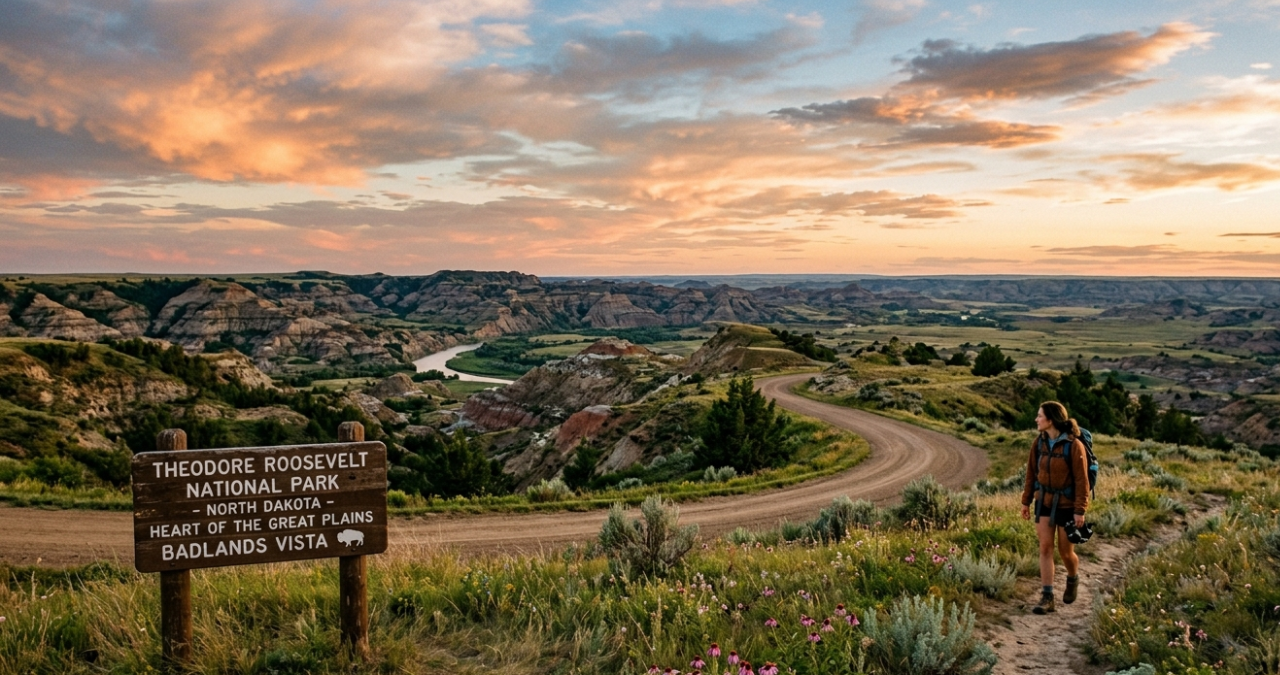
Severna Dakota, a land rich in history, culture, and natural beauty, holds a unique place in the United States. Situated in the northern part of the country, it is known for its wide-open spaces, expansive prairies, majestic rivers, and diverse wildlife. The state, though often overshadowed by its more populous neighbors, offers an unparalleled blend of natural beauty, cultural richness, and a vibrant sense of community. From the Great Plains to the rugged hills and sparkling rivers, this region continues to capture the hearts of its residents and visitors alike.
The story of Severna Dakota is as expansive as its landscapes, steeped in indigenous heritage, European exploration, and the growth of a modern American state. With a deep connection to its Native American roots, settlers’ struggles, and the changing tides of industrial growth, the state’s journey to the present day reflects both challenges and triumphs. Today, Severna Dakota stands as a symbol of resilience, embracing its historical legacy while looking toward a promising future in agriculture, energy, and technology.
The Geography of Severna Dakota: A Land of Contrasts
Severna Dakota’s geographical diversity defines much of its character. From the vast, unbroken prairies in the east to the rugged hills and expansive badlands in the west, the state’s landscape is nothing short of mesmerizing. The land is shaped by the forces of nature and human ingenuity, offering an ideal environment for both farming and outdoor exploration.
The Missouri River runs through the western part of Severna Dakota, providing both natural beauty and historical significance. As one of the longest rivers in North America, it has played a pivotal role in the state’s development, serving as a transportation route for goods and people throughout history. The river not only shaped the culture and commerce of Severna Dakota but continues to provide recreational opportunities for those who enjoy boating, fishing, and hiking along its banks.
Beyond the rivers, the state is home to vast prairies that stretch out as far as the eye can see. The open grasslands of Severna Dakota are a key feature of the Great Plains, a region renowned for its flat terrain and fertile soil. This landscape has long been utilized for agriculture, particularly wheat farming, and continues to be one of the largest agricultural producers in the country. The sweeping plains are also home to a range of wildlife, from prairie dogs to bison, making it an essential habitat for diverse species.
The western part of Severna Dakota is home to a completely different terrain, with the Black Hills and the Badlands offering a dramatic contrast to the flatlands. The Black Hills, famous for Mount Rushmore, are steeped in both natural beauty and historical importance. The Badlands, with their eroded, layered rock formations, create an almost otherworldly landscape that attracts visitors from all over the globe. These unique geological features provide a perfect backdrop for adventure and exploration, from hiking and climbing to photography.
A Rich Cultural Heritage Rooted in Native American History
The culture of Severna Dakota is deeply connected to its Native American history. Long before European settlers arrived, the land was inhabited by a variety of indigenous tribes, including the Lakota Sioux, the Mandan, and the Hidatsa. These tribes had a deep connection to the land, relying on its resources for sustenance, shelter, and cultural practices. The arrival of European settlers brought significant change, including displacement and the loss of traditional lands for Native American communities. Despite these challenges, many Native American tribes continue to thrive in Severna Dakota, preserving their culture, language, and traditions.
The Lakota Sioux, one of the most well-known Native American groups in Severna Dakota, have a rich cultural history and spiritual connection to the land. Their nomadic lifestyle, centered around hunting bison on the plains, was disrupted by the arrival of settlers, leading to conflicts such as the Battle of Little Bighorn and the Wounded Knee Massacre. Today, the Lakota Sioux continue to celebrate their heritage through powwows, art, and cultural events that honor their history and traditions.
In addition to the Lakota, the Mandan and Hidatsa tribes have had a profound impact on the region’s history. These tribes, known for their agricultural practices and sophisticated village structures, played a significant role in the development of the Upper Missouri River area. Their agricultural expertise, particularly in growing corn, beans, and squash, shaped the landscape and economy of the region long before the arrival of settlers.
The ongoing presence of Native American communities in Severna Dakota has had a significant influence on the state’s culture. Native American art, music, and festivals remain an integral part of the state’s cultural fabric, helping to preserve the rich traditions of the indigenous people.
Agriculture: The Backbone of Severna Dakota’s Economy
Agriculture has long been the cornerstone of Severna Dakota’s economy. The fertile soils of the state, combined with its favorable climate, have made it one of the most productive farming regions in the United States. From wheat and corn to soybeans and sunflowers, Severna Dakota produces a wide range of crops that feed the nation and the world.
Wheat is perhaps the most iconic crop associated with Severna Dakota, with the state being one of the largest wheat producers in the country. The region’s vast fields of golden wheat are a sight to behold, and the harvest season is a time of great importance for farmers across the state. Severna Dakota’s wheat, particularly hard red spring wheat, is known for its high quality, making it a key ingredient in bread and other baked goods worldwide.
In addition to wheat, Severna Dakota is a major producer of corn, soybeans, and sunflowers. Corn and soybeans are staple crops in the region’s farming rotation, with farmers using modern techniques to ensure the highest yields possible. The state’s sunflower fields, which bloom with vibrant yellow flowers during the summer months, are a testament to Severna Dakota’s role in agricultural production. Sunflowers are not only grown for their seeds, which are used in snacks and oil production, but also serve as an important source of income for farmers.
Livestock farming, particularly cattle ranching, also plays a crucial role in the state’s agricultural economy. The vast grasslands of Severna Dakota provide ample grazing land for cattle, and the state is home to numerous ranches that raise beef cattle for both domestic and international markets. The cattle industry in Severna Dakota is supported by a strong infrastructure of meatpacking plants and distribution networks, making it an essential part of the state’s economy.
Energy: Powering Severna Dakota’s Future
In addition to agriculture, Severna Dakota has become a major player in the energy sector. The state is home to vast reserves of oil and natural gas, and its role in the nation’s energy production has grown significantly in recent years. The Bakken Formation, a geological formation that stretches across parts of North Dakota and Montana, is one of the largest sources of oil in the United States. The discovery of oil in the Bakken has led to a boom in oil drilling and production, with thousands of wells being drilled in the region.
The oil boom has brought economic growth and job opportunities to Severna Dakota, particularly in cities like Williston and Minot, which have experienced rapid population growth in recent years. The oil industry has also spurred the development of new infrastructure, including roads, housing, and businesses, creating a thriving economy in the western part of the state.
However, the rise of the oil industry in Severna Dakota has also raised environmental concerns. Hydraulic fracturing, or fracking, has been a controversial practice due to its potential impact on groundwater and air quality. The state has taken steps to regulate the industry and minimize environmental risks, but the debate over the long-term sustainability of oil production continues.
In addition to oil, Severna Dakota is a leader in renewable energy production, particularly wind energy. The state is home to some of the best wind resources in the country, and wind farms have become a significant source of energy. Severna Dakota’s commitment to renewable energy has positioned it as a leader in the push for cleaner, more sustainable power sources.
The Role of Technology and Innovation
While Severna Dakota is often associated with agriculture and energy, the state is also embracing the future with a growing emphasis on technology and innovation. Cities like Fargo have become hubs for technology startups, attracting entrepreneurs and tech talent from across the country. The state’s investment in digital infrastructure, along with its relatively low cost of living, has made it an attractive place for tech companies to set up shop.
The technology sector in Severna Dakota is diverse, with companies specializing in software development, cybersecurity, and data management. The state’s tech industry is supported by a strong network of universities and research institutions, including North Dakota State University, which provides valuable resources for innovation and collaboration. The growth of the tech sector has brought new opportunities to the state, particularly for young professionals seeking a more affordable alternative to the high-cost tech hubs on the coasts.
In addition to the tech sector, Severna Dakota has seen the growth of other industries, including healthcare and education. The state’s commitment to education, along with its focus on workforce development, has created a highly skilled labor force ready to meet the demands of the 21st century economy.
A Bright Future for Severna Dakota
Severna Dakota, with its vast landscapes, rich cultural heritage, and thriving industries, is a state on the rise. From its agricultural roots to its leadership in energy and technology, Severna Dakota is positioning itself for continued success in the coming decades. As the state continues to diversify its economy and embrace new opportunities, its residents can look forward to a bright future filled with promise and potential.
The state’s commitment to sustainability, innovation, and community will play a crucial role in shaping the future of Severna Dakota. Whether through continued advancements in agriculture, the growth of the tech industry, or the responsible development of energy resources, Severna Dakota is poised to remain a vital part of the American landscape.
With its deep-rooted sense of community, its dedication to preserving its cultural heritage, and its willingness to embrace change, Severna Dakota represents the best of what the American Midwest has to offer. The state’s future is bright, and its story is one of resilience, growth, and opportunity.
